

What is Emergency Exit Door
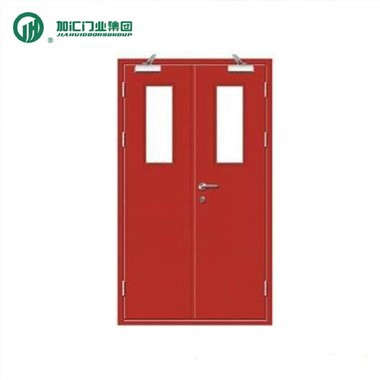
Emergency exit doors are structural elements designed to allow for a quick and secure exit from a building during an emergency. They are also helpful when a standard or unique access is obstructed by fire or residue. Emergency exits are typically found in strategic locations within the structure, such as a hallway, stairwell, or other areas where people can congregate in an emergency.
Benefits of Emergency Exit Door
Prevent the speed of fire
Emergency exit door act as an impenetrable barrier, a door will not only save lives and reduce the rate of injuries. In fact, they will also help alleviate the property’s damage and save money on costly repairs. Fire protection doors are also important to ensure the safety of your employees as they are an essential part of your organization.
Enable a quick getaway
If you install more exit routes, people leave quickly from more gates; it will decrease injury or death to a great extent. Fire safety requirements vary depending on the tenure of the building, so more considerable work will require more emergency exit doors.
Enhanced safety
Emergency exit doors provide a quick and safe escape route during emergencies such as fires, natural disasters, or security threats, ensuring the protection of occupants. Knowing that there are clearly designated and easily accessible emergency exits provides peace of mind to occupants, fostering a sense of safety and preparedness in the event of an emergency.
Panic hardware
Emergency exit doors are equipped with panic hardware, such as push bars, which allows for easy and rapid egress without the need for keys or complicated mechanisms. Emergency exit doors are often accompanied by illuminated exit signs, making it easier for people to locate and use them even in low visibility conditions such as during power outages or smoke.
-

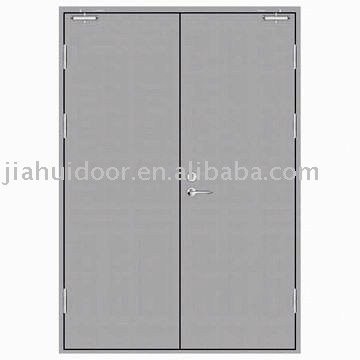
Place of Origin:China. Brand Name:JIAHUI. Model Number:JH-S-002. Door Material:Steel
Add to Inquiry -
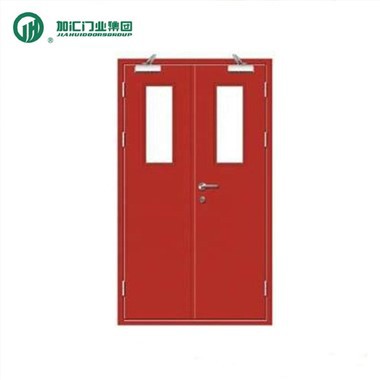
Place of Origin:Zhejiang, China. Brand Name:JIAHUI. Model Number:JH-H-002. Door Material:Steel
Add to Inquiry -
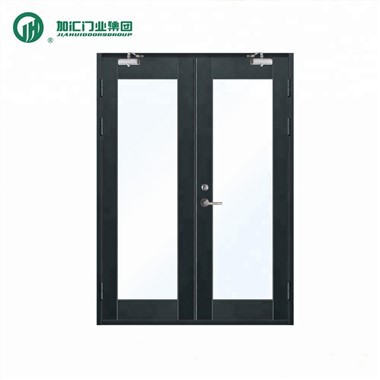
Place of Origin:Zhejiang, China. Brand Name:JIAHUI. Model Number:JH-S-002. Door Material:Steel
Add to Inquiry -
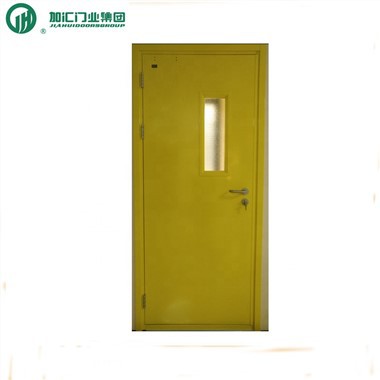
Place of Origin:Zhejiang, China. Brand Name:jiahui. Model Number:JH-H-002. Door Material:Stainless
Add to Inquiry -
Place of Origin:China. Brand Name:JIAHUI. Model Number:JH-S-059. Door Material:Stainless Steel.
Add to Inquiry -
Place of Origin:Zhejiang, China. Brand Name:JIAHUI. Model Number:JH-H-006. Door Material:Steel
Add to Inquiry -
Place of Origin:Zhejiang, China. Brand Name:JIAHUI. Model Number:JH-H-003B. Door Material:Steel.
Add to Inquiry -
Place of Origin:China. Brand Name:JIAHUI. Model Number:JH-S-061. Door Material:Stainless Steel
Add to Inquiry -
Place of Origin:China. Brand Name:JIAHUI. Model Number:JH-S-092. Door Material:Stainless Steel
Add to Inquiry -
Place of Origin:China. Brand Name:JIAHUI. Model Number:JH-H-003A. Door Material:Stainless Steel
Add to Inquiry -
Place of Origin:ChinaBrand Name:JIAHUI. Model Number:JH-H-025A. Door Material:Stainless Steel.
Add to Inquiry -
Place of Origin:Zhejiang, China. Brand Name:JIAHUI. Model Number:JH-N-203. Door Material:Steel
Add to Inquiry





Why Choose Us
Factory area
JIAHUI DOORS was established in early 90s of 20 century, We have 3 production facilities (SHANGHAI, ZHEJIANG, JIANGSU), the coverage area is around 100,000㎡.
Production capacity
Specializing in the production of fireproof doors, steel security doors, hospital doors, fireproof windows, fireproof roller shutters, soundproof doors, explosion-proof doors, ventilation doors, etc.
OEM solutions
Various designs and colors for you to choose and also we can accept custom made. And we have a strict quality control.
After-sales service
After years of practice and exploration, the leading technology, excellent quality provide our marketing development a strong guarantee.
How Many Emergency Exit Doors Must There be in a Building?
It is a requirement for any area in a building to have at least 2 means of emergency exit doors. The exits must not be located next to one another. This will reduce risk for these pathways blocked by fire. Or anything else that makes it an unsafe way to travel to the exit. For new structures, there is something called the "one half diagonal rule". This means that the means of egress must be located no less than half of the diagonal distance of the area being serviced.
Emergency exit door come in various types, including single-wing doors, double-wing doors, sliding doors, and more. They are typically classified into different fire resistance ratings, such as 30 minutes, 60 minutes, 90 minutes, and so on. Each rating specifies the door's fire resistance duration, determining how long it can withstand the spread of fire. Therefore, selecting the appropriate rating for emergency exit doors is essential to ensure the effectiveness of safe passages based on the building's fire safety requirements.
What is the Width of the Emergency Exit Door?
Emergency exit doors that are means of egress should not be less than 32 inches wide at all points. This provides enough space for wheelchairs to fit through the door. Moreover, in rooms of less than 70 square feet, this minimum might reduce to 28 inches wide. This will only happen in rooms where wheelchair use is not permitted. In existing structures, the minimum width is 28 inches wide. The maximum door leaf width is 48 inches.

Emergency exit doors are typically made from robust materials such as steel or aluminum, ensuring durability and resistance to fire and impact. These materials provide the necessary strength to withstand emergencies, while fire-rated cores, often made of materials like gypsum or mineral wool, help contain fires and smoke.
What Are The Different Types Of Emergency Exit Doors?
Fire door
A fire door is a door that prevents fires from spreading within a building.
Fire exit door
A fire exit door is an emergency exit that allows people to escape from the building when an emergency occurs.

What Emergency Exit Door Security Measures Are Legally Compliant?
Panic bars
Also known as push bars or crash bars, panic bars require minimal pressure on the bar to release the locking mechanism. The bars are fitted with a bolt, making them impenetrable from the outside, but easily opened from the inside. Panic bars are suitable for use in both private and public buildings.
Emergency push pads
Emergency push pads are similar to panic bars, but instead of a horizontal bar they feature a small pad. This emergency exit security solution is only suitable for situations where the people using them will be familiar with the building. In other words, they are not to be used in public buildings.
Panic bolts
Like emergency push pads, panic bolts are not suitable for use in public buildings, but they do offer a good fire exit security solution for commercial premises, securing the door from unauthorised use.
Emergency bolts
Another emergency exit security measure that’s only suitable for private commercial buildings is the emergency bolt. When the emergency exit handle is pulled, emergency bolts work by breaking into two pieces, allowing a spring-loaded bolt to retract and release the door. Key holders can use the door for non-emergency purposes.
Magnetic locks
Magnetic locks hold emergency exit doors shut courtesy of an electromagnetic force between a steel plate and a magnet. These locks will usually be operated by a keypad entry system from outside, with a quick release button on the inside for use in an emergency.
Emergency exit doors need to be kept closed but unlocked at all times to ensure safety and security. They should remain closed to prevent unauthorized access and to maintain fire containment barriers. However, they must be equipped with panic hardware that allows them to be easily opened from the inside without the use of keys or special tools during an emergency, ensuring a quick and safe exit for building occupants.
How Are Emergency Exit Doors Equipped?
Emergency exit doors are vital for safety in a dangerous situation and must be equipped with certain fundamental parts to be effective in that situation. They are usually equipped with panic bars or push bars that make it easier to open from the inside of a building during a fire emergency.
They are equipped with certain alarms that make a loud noise when opened, to alert the occupants of the building that an emergency is underway and to help them find the exit according to the source of the noise.
A fire escape door usually has an automatic release mechanism that makes sure the exit can be opened from the inside and cannot be opened from the outside (otherwise needed). For this mechanism, locks like a deadbolt lock or an electromagnetic lock, are equipped on a fire escape door for better safety of the occupants.

Application of Emergency Exit Door
Commercial
Emergency exit doors are essential in commercial buildings like offices, malls, and theaters, providing safe and efficient evacuation routes during emergencies.
Schools
Schools, colleges, and universities use emergency exit doors to ensure the safety of students and staff, facilitating quick evacuations during fire drills or actual emergencies.
Hospitals
In hospitals, emergency exit doors are crucial for the safe and orderly evacuation of patients, including those with limited mobility, during emergencies.
Residential
Apartment complexes and high-rise residential buildings include emergency exit doors to provide residents with accessible escape routes during fires or other emergencies, ensuring compliance with safety regulations.
Public
Airports, train stations, and bus terminals utilize emergency exit doors to manage large crowds and ensure safe evacuations during emergencies like fires, security threats, or natural disasters.
Maintenance Tips for Emergency Exit Door
Regular inspections
Conducting regular inspections of emergency exit doors is crucial to identify any issues or potential hazards. These inspections should include checking the condition of the door frame, hinges, locks, handles, and panic bars. Additionally, inspect the door for signs of wear and tear, such as cracks, dents, or rust. By identifying problems early on, you can address them promptly, minimizing the risk of door failure during an emergency.
Lubrication
Proper lubrication is essential for the smooth operation of emergency exit doors. Hinges, locks, and other moving parts should be lubricated regularly to prevent friction and ensure that the door opens and closes effortlessly. Using a high-quality lubricant suitable for the specific components of the door will help extend their lifespan and maintain their functionality.
Testing panic hardware
Panic hardware, including push bars and crash bars, plays a vital role in facilitating quick and easy exit during emergencies. It is important to test this hardware periodically to ensure it functions properly. Push the bar to verify that it operates smoothly and immediately releases the latch, allowing the door to swing open freely. If any issues are detected, such as sticking or resistance, repair or replace the panic hardware promptly.
Door clearance
Emergency exit doors should have sufficient clearance to allow unobstructed passage during an evacuation. Check that there are no objects, furniture, or equipment blocking the path of the door. This includes ensuring that floor mats, rugs, or any other items are not impeding the door's swing. In case of an emergency, occupants should be able to open the door without any hindrance.
Fire door maintenance
If your emergency exit doors are also fire-rated doors, additional maintenance guidelines apply. Fire doors are designed to resist the spread of fire and smoke, providing a safe route for evacuation. Regularly inspect the fire-rated components, such as intumescent seals, door closers, and latching mechanisms, to ensure they are in proper working condition. Replace any damaged or missing seals promptly, as they play a crucial role in containing fire and smoke.
Signage and illumination
Emergency exit doors must be clearly marked with appropriate signage and illuminated for visibility, especially during emergencies when power outages may occur. Check that the emergency exit signs are in good condition, legible, and properly positioned. Ensure that the emergency lighting system is functional, including backup power sources like batteries or generators. Regularly test the emergency lighting system to verify its effectiveness.
FAQ
As one of the most professional emergency exit door manufacturers and suppliers in China, we're featured by quality products and competitive price. Please rest assured to buy or wholesale customized emergency exit door made in China here from our factory.
Fire Rated Exit Door, emergency exit fire door, Fire Exit Gate